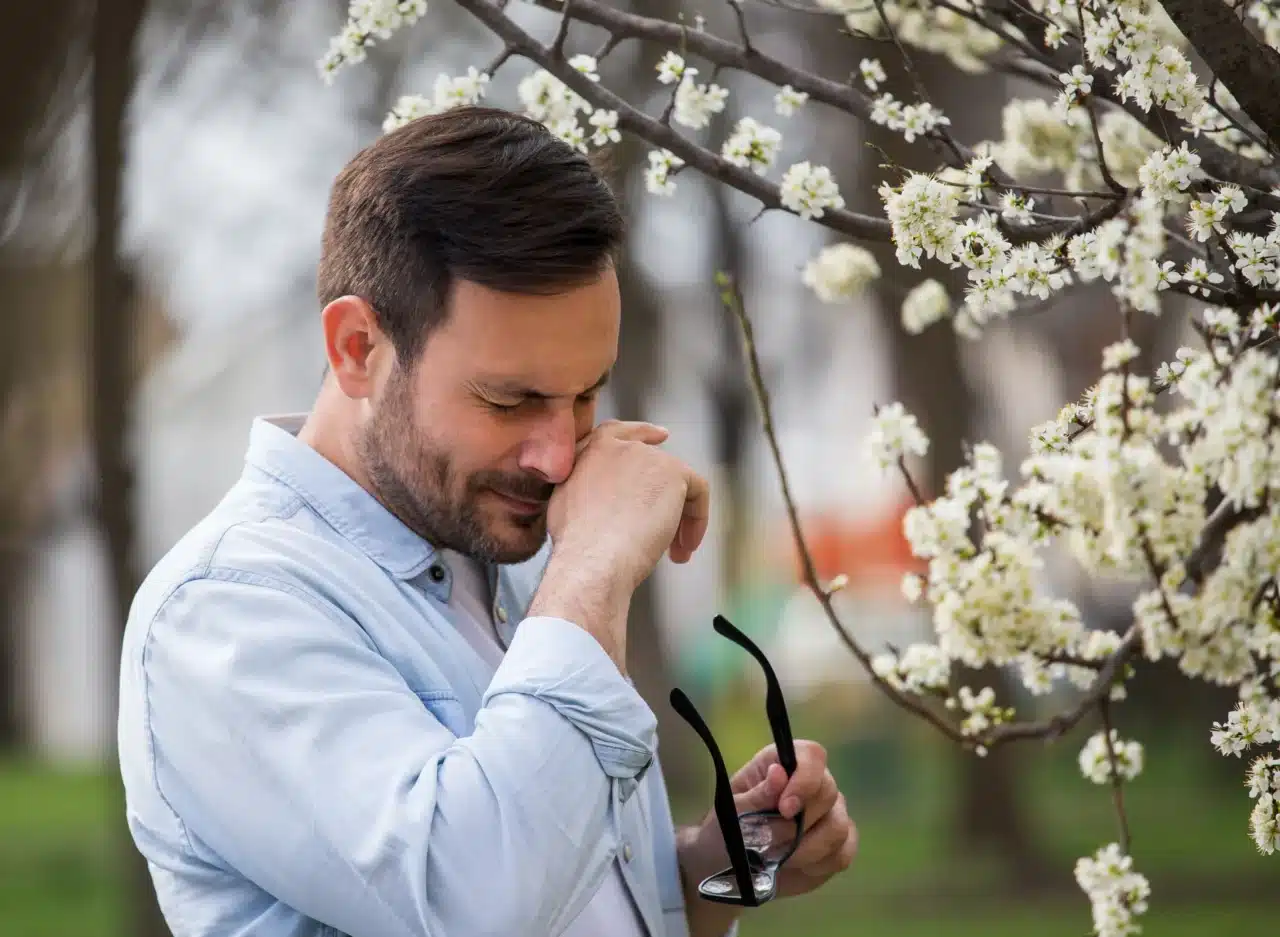
If it feels like your seasonal allergies are starting sooner and hitting harder, you’re not imagining it. Across the U.S., spring allergy season is beginning earlier, lasting longer and causing more intense symptoms. A recent analysis reviewed 30 studies and highlighted how climate change has altered pollen seasons and concentrations—and the impact this has had on allergies.
What the Research Says
The review, published in The Laryngoscope, analyzed 30 studies published between 2000 and 2023.
More than half of the studies included in the review reported thatlonger pollen seasons, higher pollen counts or both were linked to climate change. One study estimated that pollen emissions in the U.S. would double and that the average length of pollen season would increase by 19 days at the turn of the century.
Another study found that daily maximum temperatures, atmospheric carbon dioxide concentrations and the grass pollen index were all higher from 2016 to 2020 compared to 1994 to 1999—indicating a causal link between CO2 and pollen.
Multiple studies found that higher humidity and levels of carbon dioxide led to increased allergenic pollen, while an increase in precipitation effectively washes out the air, reducing pollen levels.
Relieving Allergy Symptoms
Personalized allergy care can help identify your specific triggers and create a treatment plan designed for your symptoms and lifestyle. Options may include targeted medications, environmental controls or allergy immunotherapy to reduce long‑term sensitivity.
If spring allergies are interfering with your daily life, don’t just push through them. Contact Willamette ENT to schedule an evaluation and learn how personalized allergy treatment can help you breathe easier this spring and beyond.
“I have been going to Willamette ENT on and off for most of my life. The staff is always so friendly, and the doctors and nurses show a lot of care and compassion!”