It’s March, which means allergy season is on our doorstep once again. If your allergy symptoms have already begun, it’s helpful to know exactly which pollen or other allergen is behind your annoying symptoms. We put together a quick guide on what’s in season in March and April so you can narrow down your culprit(s).
The Grass Seed Capital of the World
If you’ve been living in the Willamette Valley for any amount of time, you’re probably well aware by now that we’re commonly called the grass seed capital of the world. The beautiful state of Oregon has a mild climate, a lot of wilderness and native flora, and the Willamette Valley in particular is home to several farms and vineyards. Put together, there’s a lot of pollen in the Willamette Valley. As an allergy center of the area, Willamette ENT & Facial Plastic Surgery has our work cut out for us!
In the spring, grass pollen isn’t nearly as prominent as some of the other allergens out there. Grass pollen spreads much more prolifically in the summer, so start bracing yourself now.
Tree Pollen
Early spring is prime time for tree pollen. Early spring typically is associated with March and April, but it can start in late February in mild years.
Conifers, such as Douglas-fir and pine, actually begin pollinating as early as December and continue producing pollen until May. Once the weather warms up in February or March, alders, hazelnuts and birch enter the game, followed by oaks and willows later in the spring.
Flowers
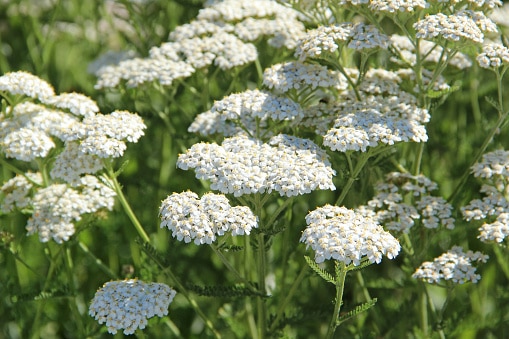
Native flowers, such as yarrow, tall Oregon grape and Nootka rose, drop their seeds in the fall and overwinter underground, bursting forth the moment the ground thaws in the spring. While not all native flower species are flowering just yet, many of these opportunists are sprouting right now and will produce pollen in only a matter of time. And these native plants aren’t just in the wild lands of the Valley; OSU reports that there’s been an increase in interest in gardening intentionally with native plants.
In addition to native flowers, the beautiful flower farms of our Valley are getting ready for their growing season. The famous tulips, peonies and dahlias of our farms are starting to bloom, which means they’re releasing their pollen.
What This Means for You
If your allergy symptoms have started, you’re probably allergic to the pollen of one of the plants listed above. Perhaps you already know which one. If you don’t, it might be worth getting an allergy test so you know what to avoid and when it blooms.
Additionally, you should check the local weather forecast for the daily pollen count, which is how many pollen particles are present per cubic meter. On exceptionally high pollen days, it might be wise to stay indoors or wear a mask and eye protection.
To learn more about allergies in our Willamette Valley, contact Willamette ENT & Facial Plastic Surgery. We love this area, and we love what we do, and are happy to help you find an allergy management plan that works.
Learn More
“Have always found the staff and doctors here to be helpful. This was my first visit with Dr. Prze after Dr. Allan retired, and he was very friendly, enthusiastic, and thorough. It was obvious he had read my chart carefully before my checkup.”