For the kids, summer months are a time for outdoor play, pool parties, family barbecues and summer sports. You don’t want them to have to miss out on fantastic times with friends and family because of their allergy symptoms. With some allergy maintenance, they can still have a great summer, and here’s how to make it happen.
Seasonal Triggers of Pediatric Allergies
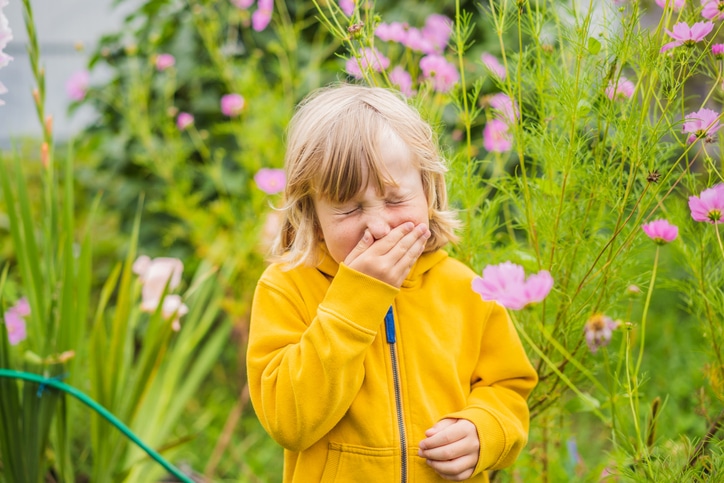
More than 30% of U.S. children have an allergy of some kind, making it one of the most common chronic pediatric conditions in the country.1 The warmer months typically feature increased pollen counts from trees, flowers, grasses and weeds, more insect activity and dust flying from sports fields, all of which can potentially trigger your child’s allergies or asthma.
Additionally, your child is more likely to participate in physical activity in the summer, whether it’s from playing outside for hours or from running around a baseball diamond or competing in another summer sport. All that running around and breathing hard may exacerbate allergy symptoms, especially asthma.
Preventing and Reducing Allergy Symptoms
Let’s look at a few tips to help minimize their symptoms without interrupting their summer activities.
Get an Allergy Test
An allergy test identifies the specific allergens your child is sensitive to, which is invaluable information when crafting an allergy plan. They’re also 100% safe for children.
Use Medications
Over-the-counter allergy medications can be extremely helpful. Some, like antihistamines (Zyrtec, for example), work best when taken consistently on a daily basis so they can build up in your child’s body. Others, like decongestants (Sudafed, for example), offer quick, temporary relief if symptoms have already begun.
If your child has any prescribed medications for their allergies or asthma, ensure they consistently follow prescribed routines, including preventive inhalers or allergy medications.
Watch the Weather
The local weather forecast always includes a pollen count, so you can make your plans around the pollen count. If pollen count is high, for example, you may consider keeping your distance from grass and wild flora, and swap out the family hike on Minto Island for a pool day instead. If you decide to stay indoors entirely, keep windows shut and utilize air conditioning (with clean air filters!). Also, try to plan outdoor activities when the air quality is better, typically early mornings or late evenings.
Wash Up
Have your child take a shower immediately after coming indoors from outdoor play to wash allergens off their body. They should also change into clean clothes and put the clothes they were wearing straight into the hamper.
While playing outdoors, encourage your child to wash their hands thoroughly whenever they have the chance. If you’re going to be eating outside for a barbecue or picnic, they should absolutely wash their hands before eating to prevent transferring pollen or allergens from their hands to their eyes or nose while eating corn on the cob.
Establish an Allergy Treatment Plan
Don’t let summertime allergies keep your child (and your family) on the sidelines. To learn how we can help your child find relief for their symptoms, contact Willamette ENT & Facial Plastic Surgery today.
Sources
1 Asthma & Allergy Foundation of America. (2024, April). Allergy Facts. AAFA. https://aafa.org/allergies/allergy-facts/
“Had a great experience. Got in very quick and felt safe with covid protocol! Everyone was extremely nice.”